
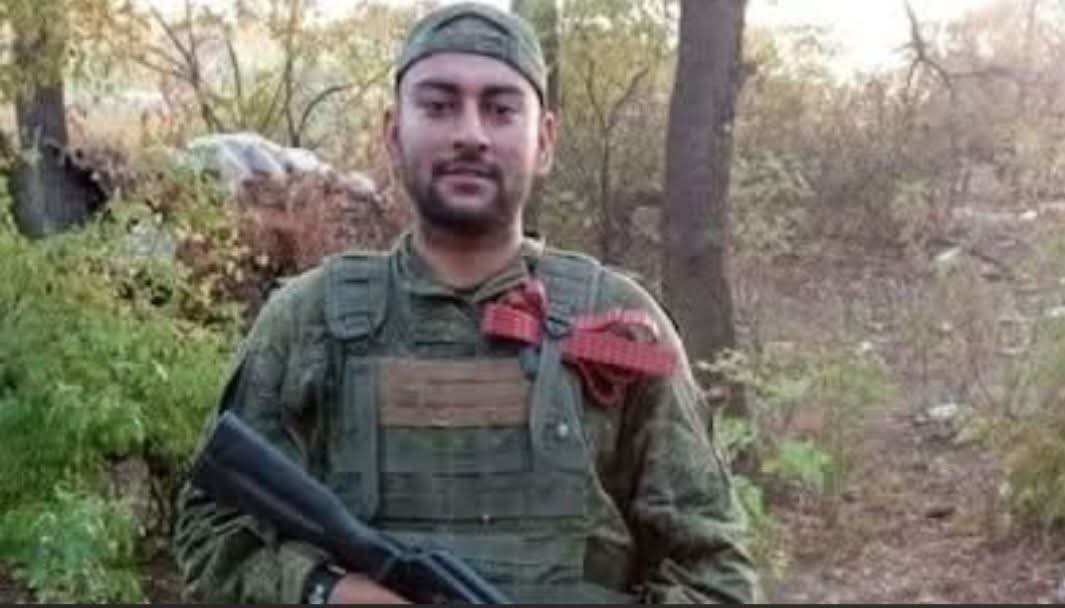
Jammu, April 7, 2026: In a heart-wrenching reminder of how fragile dreams can be when clouded by deception, the mortal remains of 23-year-old Sachin Khajuria reached his native village of Pahariwala (Pallanwala) in the Khour (Akhnoor) area of Jammu on Sunday morning. A pall of deep sorrow and quiet reflection has settled over the region, as another young life from Jammu is lost in the distant Russia-Ukraine conflict — the second such tragedy in recent months.
Sachin, born on October 3, 2002, was like many ambitious youths from the region: full of hope, eager to build a better future for his family. He left for Russia in August 2025 on a study visa, driven by the simple aspiration of gaining education and securing a stable livelihood. Yet, what began as a pursuit of opportunity turned into a devastating trap.
According to his grieving family, agents lured him with assurances of a safe, non-combat “helper” job — perhaps working in bunkers or support roles far from danger. Trusting these promises, Sachin stepped into an unfamiliar land. Instead, he was allegedly coerced into the Russian army and deployed to the volatile frontlines, including a camp in Selydove in the Russian-occupied Donetsk region.
In September 2025, during his last WhatsApp call, Sachin told his family he was being sent to the battlefield and desperately sought help. That was the final time they heard his voice. Months of agonizing silence followed. The family later received an email requesting blood samples for DNA identification. His younger brother, Kaushal Khajuria, provided the sample, and confirmation of Sachin’s death — believed to have occurred in September — came only around March 28, 2026. Due to the intensity of fighting, his body was recovered later in a decomposed state, chemically preserved, and finally repatriated.
As the procession carrying his remains moved from the Taleri Bridge area to the village, hundreds of mourners gathered in silence, offering condolences to the shattered family. Sachin was the elder son of Banarsi Lal, a vegetable vendor in his 50s. The family, already struggling, now faces not only profound emotional loss but also economic hardship.
This tragedy invites deep contemplation. In the hills and villages of Jammu and Kashmir, countless young men and women, burdened by limited local opportunities, look abroad with hope — only to be ensnared by slick recruitment networks that prey on their dreams. False promises of safe jobs, good salaries, and a brighter tomorrow often mask grave dangers. Sachin’s story, like that of 24-year-old Maninder Singh from RS Pura’s Gowana village (whose body was brought home in February 2026), raises painful questions: How many more bright young lives must be sacrificed before stronger safeguards are put in place?
Family members and villagers expressed quiet anger mixed with sorrow. “He only went to study and earn an honest living. The agents destroyed everything,” they said, calling for stricter regulation of overseas recruitment, awareness campaigns for youth, and accountability for those who exploit vulnerable aspirants.
Local leaders have echoed these sentiments, urging the administration to protect the region’s youth from such deceptive traps.
In the quiet mourning that envelops Pahariwala today, one cannot help but reflect on the cost of unfulfilled dreams and the hidden perils that lie behind glittering offers from afar. Sachin’s untimely departure leaves behind not just grief, but a sobering lesson for many who chase opportunities beyond borders.
May his soul rest in eternal peace.
Om Shanti.


