
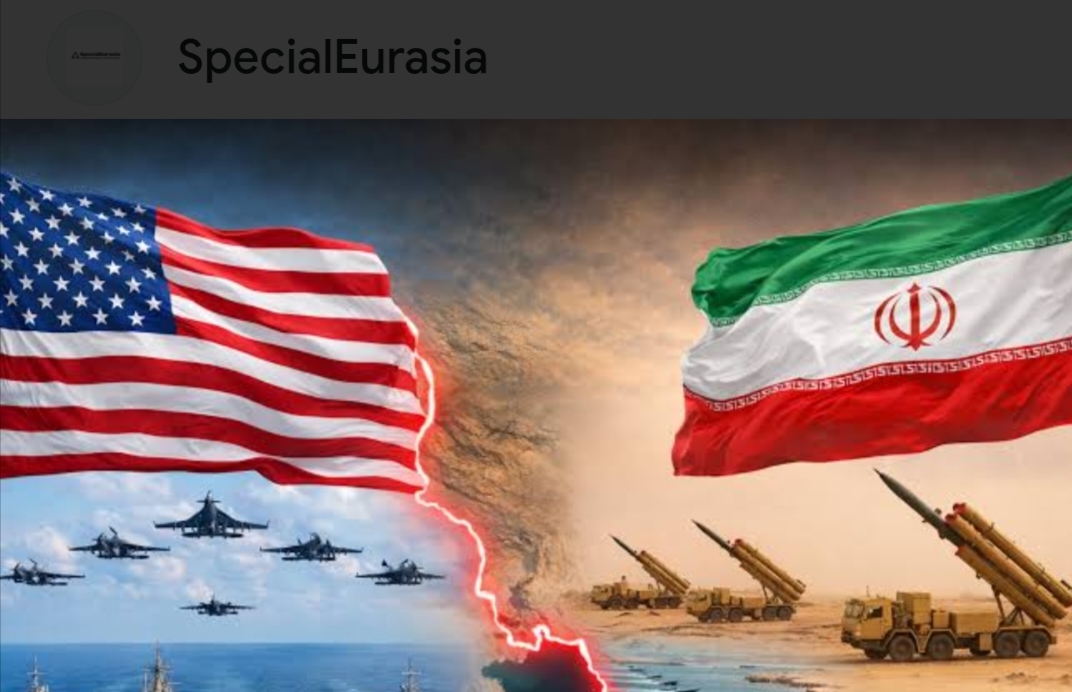
As of April 12, 2026 (today), high-level US-Iran peace talks in Islamabad, Pakistan, have collapsed without a deal after a marathon ~21-hour session. This marks the first direct face-to-face negotiations between the two countries since 1979. The failure has triggered an immediate escalation from the US side regarding the Strait of Hormuz, a critical chokepoint for global oil and gas shipments (roughly 20% of the world’s supply).
Background on the Talks
- The talks, hosted by Pakistan (which acted as a mediator), involved senior US figures including Vice President JD Vance, special envoy Steve Witkoff, and Jared Kushner. On the Iranian side were Parliamentary Speaker Mohammad Bagher Ghalibaf and Foreign Minister Abbas Araghchi.
- They occurred during a fragile temporary ceasefire (announced around April 8) amid the ongoing 2026 Iran war, which began with US-Israeli strikes in late February that killed Iran’s Supreme Leader Ali Khamenei.
- Key sticking points included:
- Iran’s nuclear program: The US demanded Iran abandon ambitions to develop nuclear weapons and allow access/inspections; Iran refused what it called “excessive demands.”
- Control and reopening of the Strait of Hormuz: Iran has restricted or blocked much shipping (including demanding tolls or protocols for safe passage) and linked it to broader issues like sanctions relief, reconstruction aid, and a regional ceasefire (e.g., involving Lebanon/Hezbollah).
- Other issues: Sanctions relief for Iran vs. US red lines on nuclear capabilities and free navigation.
US perspective (per Vance and Trump): The US negotiated “in good faith” and offered its “best and final” terms, but Iran “chose not to accept” them. Vance described it as bad news mainly for Iran. No deal was reached on halting Iran’s nuclear path or fully reopening the strait.
Iranian perspective: The US failed to build trust due to past experiences. Talks were “intensive,” but Washington made “unlawful requests.” Iran insisted on its “red lines,” including control over the strait and addressing regional issues.
Pakistan has said it will continue facilitating efforts despite the impasse.
Latest on the Strait of Hormuz
- Iran has largely kept the strait restricted or “closed” since early March 2026 (with mine-laying, attacks on ships, and selective blocking of vessels), even after the recent ceasefire. This has disrupted global energy markets, raised oil prices, and forced shipping reroutes or halts.
- Prior to today’s events: The US military reported sending warships through the strait and beginning mine-clearing operations. Iran denied some transits or claimed warnings turned vessels back. Trump had previously vowed to reopen it “with or without” Iran.
- Today’s escalation: President Trump announced via Truth Social that the US Navy will “immediately” begin a blockade of the Strait of Hormuz — stopping any and all ships from entering or leaving. He specifically mentioned interdicting vessels that paid tolls to Iran and warned of further action if needed. This follows the talks’ failure and is framed as enforcing free navigation while pressuring Iran.
The situation remains fluid and high-risk, with potential for renewed military action, impacts on global oil prices, and involvement from regional players (e.g., Gulf states, Israel-Lebanon dynamics). A fragile two-week ceasefire window is now in serious doubt.
These developments are breaking rapidly

