
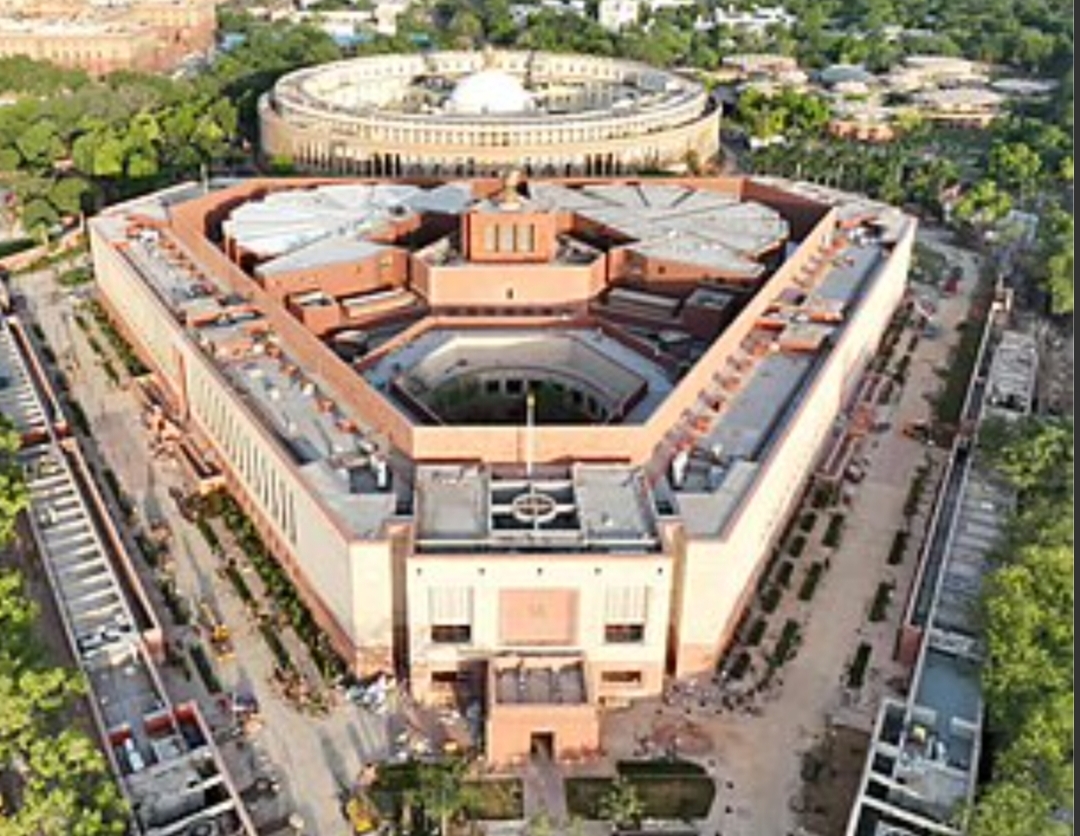
In a landmark announcement on Thursday, Union Law Minister Arjun Ram Meghwal informed the Lok Sabha that the strength of the lower house will increase from the current 543 seats to 815, with 272 seats reserved for women. This move, part of three key bills introduced in a special Parliament session, ensures that neither men nor any state will suffer any loss of representation. It paves the way for the full implementation of the Women’s Reservation Act (Nari Shakti Vandan Adhiniyam) as early as the 2029 elections, marking one of the most transformative reforms in India’s parliamentary history.
This development is not just a numerical adjustment—it is a historic breakthrough for women’s political empowerment in the world’s largest democracy. For decades, women have been underrepresented in the Lok Sabha, comprising only about 14% of MPs (74 out of 543 in the current 18th Lok Sabha). The new framework guarantees roughly one-third (33%) reservation for women, directly addressing a long-standing demand that has echoed through Indian politics since independence.
The Long Road to This Moment
The journey began in 1996 with the first Women’s Reservation Bill, which faced repeated delays, lapses, and intense debates over sub-quotas and political consensus. Multiple versions were introduced in 1997, 1998, 1999, and 2008, but none survived. The breakthrough came in September 2023 when Parliament unanimously passed the Constitution (128th Amendment) Bill—renamed the Nari Shakti Vandan Adhiniyam—reserving 33% seats for women in the Lok Sabha, state assemblies, and Delhi Assembly. However, its rollout was tied to the next Census (post-2026) and a fresh delimitation exercise, leaving many wondering when it would actually take effect.
The 2026 bills— the Constitution (131st Amendment) Bill, the Delimitation Bill, and the Union Territories Laws (Amendment) Bill—change that timeline dramatically. By increasing Lok Sabha seats by approximately 50% across all states uniformly, the government ensures no state loses even a single existing seat. Women’s quota seats will be carved out from the expanded strength, making the transition smooth and inclusive. As Minister Meghwal emphasized, “There will be an equal, 50 per cent increase in the strength of Lok Sabha members… neither men nor any state will suffer any loss.”
Why This Bill Is Truly Historic for India
This reform stands out as a defining moment for several reasons:
- Unprecedented Boost to Women’s Representation: India has lagged globally in women’s parliamentary participation (ranked around 149th by the Inter-Parliamentary Union). From just 5% in the first Lok Sabha to the current 14%, the jump to 33% will bring nearly 272 women MPs into the national legislature. This is expected to reshape policy priorities, with greater focus on issues like education, health, safety, and economic opportunities for women and girls.
- Balancing Federalism and Equity: Pure population-based delimitation (last done on 2001 Census data, frozen since) had raised fears among southern and smaller states of reduced representation due to slower population growth. The uniform 50% increase across all states addresses these concerns head-on, protecting federal balance while enabling the women’s quota. No state or region is disadvantaged—a masterstroke in cooperative federalism.
- Largest Expansion of Lok Sabha Since Independence: The last major increase in parliamentary seats happened decades ago. Raising the cap to 815 (from states) plus up to 35 from Union Territories (total around 850) will make constituencies more manageable and representative of India’s growing population. It modernizes the world’s largest democracy without the usual political trade-offs.
- Fulfilment of a Decades-Old Promise: Rooted in the spirit of the 73rd and 74th Amendments (which successfully reserved one-third seats for women in panchayats and municipalities, leading to over 1.4 million women leaders at the grassroots), this brings that success to the highest levels of governance. It signals India’s commitment to “Nari Shakti” in the Amrit Kaal, as envisioned by the leadership.
- Broader Democratic Deepening: Beyond numbers, this fosters more inclusive decision-making. Studies worldwide show that higher women’s representation correlates with stronger laws on gender-based violence, child welfare, and social justice. For India, it could accelerate progress toward Sustainable Development Goals on gender equality.
Opposition parties have raised procedural concerns and questions about timing and delimitation methodology, but the core idea of women’s reservation enjoys cross-party support. The government has positioned these bills as enabling legislation to deliver on the 2023 Act without delay.
A New Chapter for Bharat
As Prime Minister Narendra Modi and senior leaders have noted, this is more than a bill—it is a pledge to build a Viksit Bharat where women are equal partners in nation-building. With implementation targeted ahead of the 2029 polls, India is poised to witness its most gender-inclusive Lok Sabha ever.
This historic expansion is not merely about adding seats; it is about rewriting the narrative of power in Indian democracy. From village panchayats to Parliament, women’s voices will now resonate louder than ever. For generations of daughters, mothers, and leaders-to-be, April 16, 2026, may well be remembered as the day India took a giant leap toward true equality.
The coming days of debate in Parliament will decide the final shape, but the direction is clear: a stronger, more representative India where no one is left behind. This is Nari Shakti in action—transformative, inclusive, and truly historic.


