
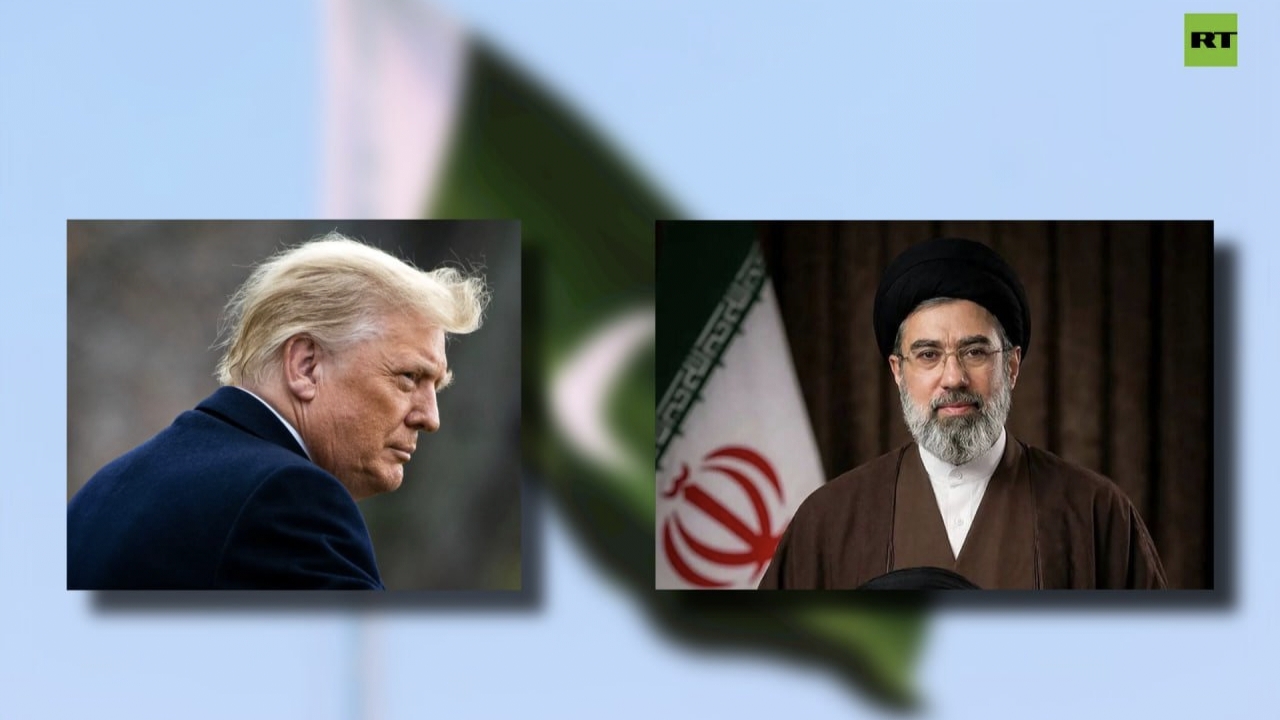
Islamabad, Pakistan – April 20, 2026
As the fragile two-week US-Iran ceasefire—brokered by Pakistan set to expire in the coming days—enters its final stretch, the second round of direct negotiations between Washington and Tehran was scheduled to begin today in Islamabad. However, fresh developments have cast serious doubt over the talks’ viability, with Iran publicly refusing to participate amid accusations of US ceasefire violations and “unrealistic expectations.”
US President Donald Trump confirmed late Sunday that American negotiators would arrive in Pakistan on Monday for the follow-up meeting, describing it as an opportunity to seal a lasting deal. “My representatives are going to Islamabad, Pakistan. They’ll be there,” Trump stated, while simultaneously warning of severe consequences if Iran rejects Washington’s terms. He reiterated threats to target Iranian power plants, bridges, and other civilian infrastructure, framing the move as leverage to force compliance on nuclear enrichment and regional security issues.
Reports indicate the US delegation includes senior officials, though Vice President JD Vance—who led the first round of face-to-face talks in mid-April—may not attend due to security concerns, according to Trump.
Iran’s Firm Rejection and Apprehension of Surprise US-Israeli Action
In a significant setback, Iranian officials and state media have explicitly stated that Tehran will not send a delegation to today’s talks. Iran’s parliament speaker and chief negotiator, Mohammed Bagher Qalibaf, along with sources close to the leadership, cited the ongoing US naval blockade of Iranian ports and the recent seizure of an Iranian-flagged cargo vessel (identified as the M/V Touska) in the Strait of Hormuz/Arabian Sea as direct violations of the ceasefire.
Tehran views these actions—coupled with persistent US and Israeli rhetoric—as evidence of bad-faith negotiations and possible preparations for a surprise preemptive strike before the ceasefire lapses according to Iranian Media.
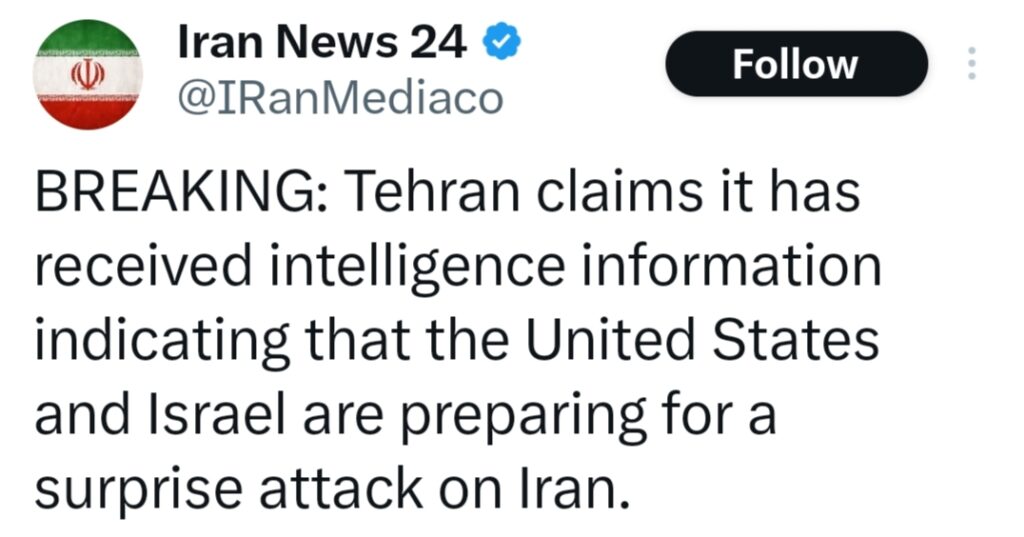
Iranian military and IRGC forces remain on “full alert,” with senior officials vowing a “crushing response” to any aggression. State media has framed the US ship interception as “piracy” and warned that any further provocations could trigger immediate retaliation across the region.
This apprehension aligns with broader Iranian concerns that Washington and Jerusalem may exploit the diplomatic window for a decisive blow, especially as Israel continues separate operations against Iranian-backed groups in Lebanon and maintains that Iran’s enriched uranium stockpile must be neutralized as a non-negotiable condition for peace.
Escalating Standoff Over the Strait of Hormuz
The diplomatic impasse is compounded by the critical maritime crisis. Iran briefly signaled willingness to reopen the Strait of Hormuz—a chokepoint for roughly one-fifth of global oil trade—only to reverse course, keeping it closed until the US lifts its blockade. Today’s US seizure of the Iranian vessel has pushed Brent crude prices above $95 per barrel, rattling global energy markets and highlighting the economic stakes.
Pakistan, which hosted the inconclusive first round of talks earlier this month, has urged both sides to return to the table. Foreign ministry spokesperson Tahir Andrabi noted that while no formal date was locked in until Trump’s announcement, Islamabad remains committed to facilitating dialogue to prevent the conflict—now in its seventh week—from reigniting.
What’s at Stake
The original ceasefire, announced on April 8 following intense Pakistani mediation, aimed to halt direct US-Israeli strikes that began in late February and reportedly included the elimination of key Iranian figures. Progress is minimum in the first round reportedly touched on sanctions relief, nuclear limits, and maritime security, but gaps remain wide on core issues like uranium enrichment levels and guarantees against future attacks.
Analysts warn that failure of the second round—already undermined by Iran’s absence—could lead to rapid escalation. With the ceasefire deadline looming, both sides are posturing aggressively: the US maintains its blockade and naval presence, while Iran keeps Hormuz shut and its forces mobilized.
As US negotiators touch down in Islamabad today, the world watches whether backchannel efforts through Pakistan (and possibly Turkey or Egypt) can salvage momentum—or if mutual distrust and military posturing will push the region back into open conflict. For now, the second round appears more like a high-stakes standoff than a breakthrough session, with Iran’s refusal highlighting the deep trust deficit that continues to define US-Iran relations.


