
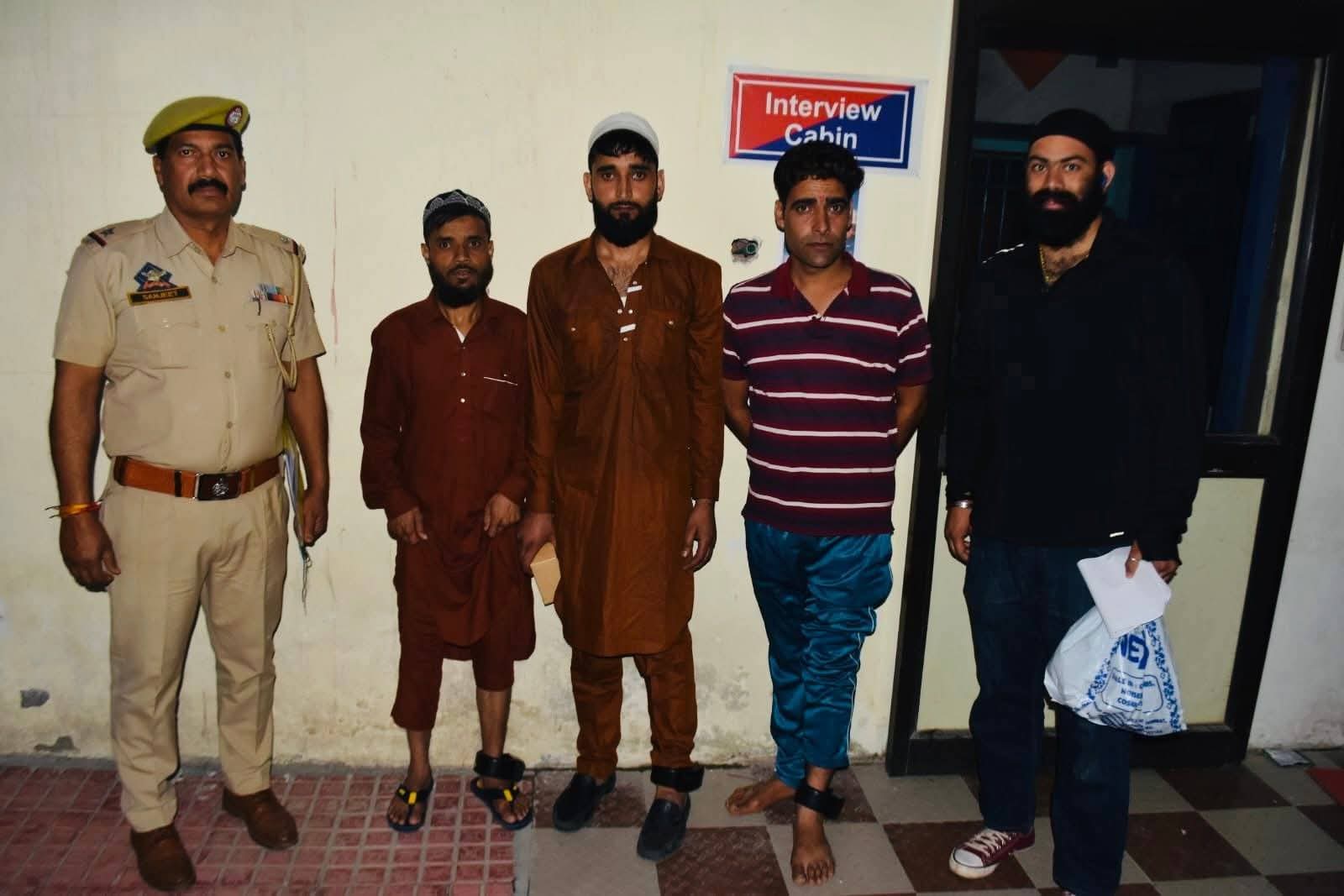
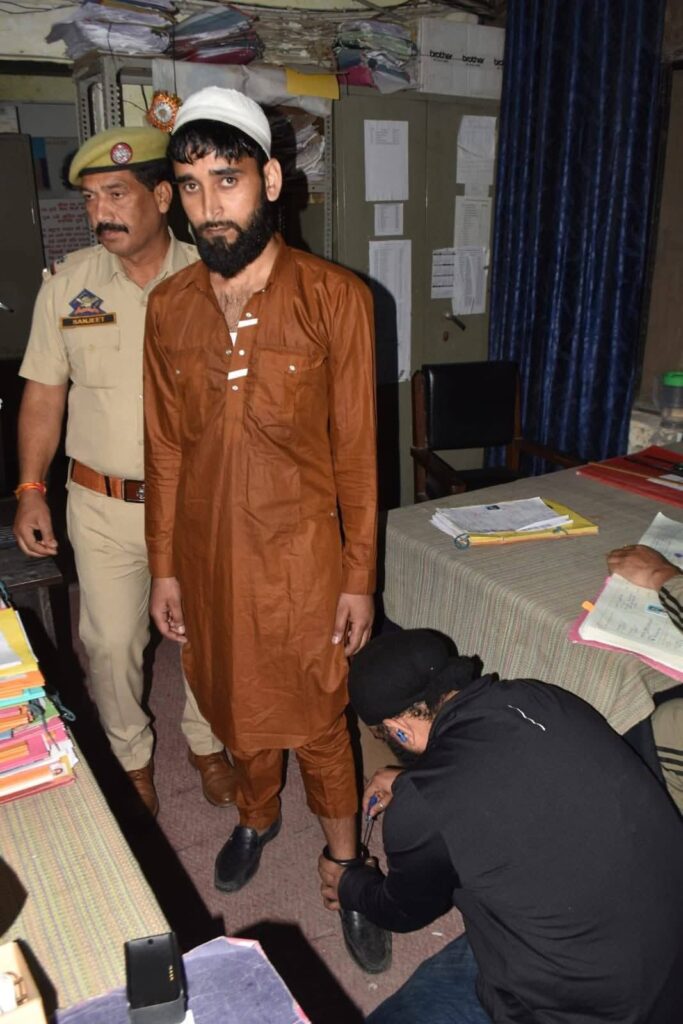
Kathua, Jammu and Kashmir – March 18, 2026 – In a pioneering high-tech measure to enhance surveillance and ensure compliance with bail conditions, Kathua Police have fitted GPS-enabled tracking anklelets on three accused individuals recently granted interim bail by the Principal District & Sessions Court in Kathua.
The accused—Mool Raj (from Malhar), Liyaqat Ali (from Dhanu Parole, Billawar), and Maqbool (from Sofain Ambanal, Kathua)—were arrested in connection with FIR No. 18/2024 registered at Malhar Police Station under sections 61(1), 113, 147, and 150 of the Bharatiya Nyaya Sanhita (BNS). Reports indicate that the trio are alleged overground workers linked to the Jaish-e-Mohammad (JeM) terror outfit.
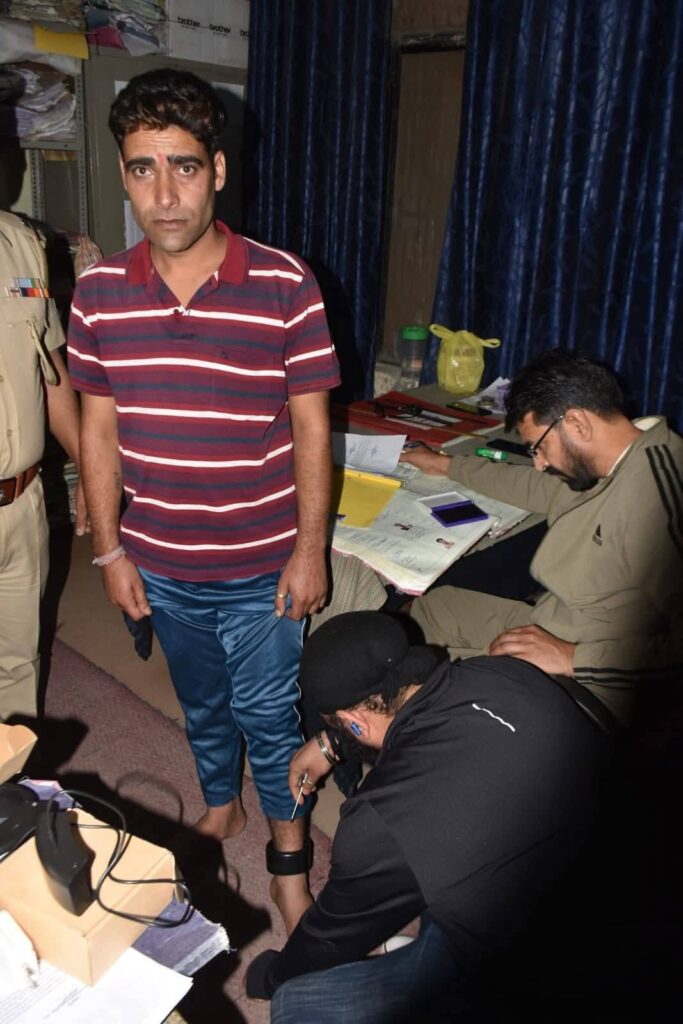
The installation of the GPS anklelets was carried out under the supervision of SSP Kathua, Ms. Mohita Sharma IPS, in strict compliance with the court’s orders. This marks a significant step in utilizing advanced technology for monitoring bailed accused in the district.
A GPS tracker anklet is a wearable electronic device secured around the ankle, allowing real-time location tracking of the wearer. It enables law enforcement to continuously monitor movements, detect any unauthorized areas or violations of bail conditions, and maintain stringent surveillance without physical custody.
Police officials emphasized that this initiative ensures the accused adhere to all bail terms while balancing public safety and judicial directives. The move is part of broader efforts in Jammu and Kashmir to employ electronic monitoring for high-risk cases, following earlier precedents in the region for terror-related accused.
This is reportedly one of the first such applications in Kathua district, highlighting the police force’s adoption of modern tools to prevent potential misuse of interim bail and strengthen oversight in sensitive cases.
Authorities have stated that the devices will remain in place as per court directives, with any tampering or violation triggering immediate alerts to law enforcement.
The action has been welcomed by some as a smart, non-intrusive way to enforce accountability, while focusing on the region’s ongoing counter terror networks through innovative policing strategies.


