
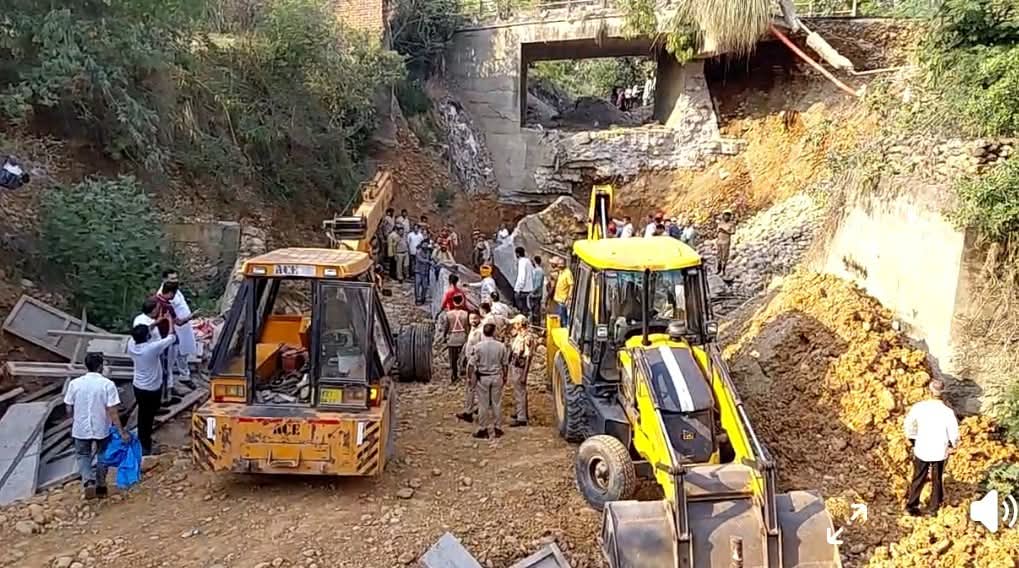
On May 1st, the world observed International Workers’ Day — a occasion meant to honor the dignity of labor, the sweat that builds nations, and the quiet resilience of those who toil in the shadows of progress. Yet in Jammu, the day unfolded with a cruel twist of fate. A portion of a bridge in the Bantalab-Thathar area collapsed, claiming the lives of laborers engaged in its repair or construction and leaving others trapped beneath the rubble. As rescue operations swung into action, involving local teams, police, SDRF, NDRF, and the Army, the tragedy served as a stark reminder of the fragility that often underlies our everyday infrastructure.
The irony is inescapable. Labor Day celebrates the working class, yet it became a day when workers paid the ultimate price while doing the very work that sustains society. These were not faceless statistics but individuals — fathers, brothers, sons — likely migrants or local hands seeking to earn a livelihood through honest, back-breaking effort. They stood beneath or upon structures meant to connect communities, only for the ground to literally give way. Reports indicate varying numbers, with at least two to three confirmed dead and others rescued amid a tense, multi-hour operation.
The Weight of Neglect
Bridges symbolize connection, strength, and forward movement. When they fail, they expose deeper cracks — not just in concrete and steel, but in our systems of maintenance, oversight, and accountability. This was reportedly an old bridge damaged by previous floods, now under repair. Questions arise naturally: Were safety protocols adequate? Had structural assessments been thorough? Was the site properly evaluated before workers were deployed?
Such incidents compel us to contemplate the invisible contract between society and its laborers. We expect roads, bridges, buildings, and cities to function flawlessly, yet often overlook the human cost embedded in their creation and upkeep. Construction and repair work, especially in challenging terrains like Jammu and Kashmir, carry inherent risks. But preventable tragedies erode trust and dignity. The suspension of engineers and formation of an inquiry committee signal initial steps toward accountability, yet true contemplation demands more than procedural responses.
Honoring the Hands That Build
In moments like these, reflection turns introspective. What does it mean to value labor if we do not value the laborer’s life? International Workers’ Day originated from struggles for fair hours, safe conditions, and respect. This tragedy in Jammu echoes those historical fights, reminding us that the journey toward genuine workers’ rights remains unfinished.
The families left behind will face not only grief but economic hardship. The rescued workers will carry physical and psychological scars. And the broader community will wonder about other aging structures in the region, vulnerable to monsoons, wear, and tear. Contemplating this event urges a shift from reactive rescue to proactive reverence — investing in rigorous safety standards, regular audits, better training, and perhaps most importantly, a cultural mindset that sees infrastructure projects as human endeavors first, not merely engineering or budgetary ones.
As the dust settles in Thathar and rescue efforts conclude, let the silence prompt deeper thought. Progress built on the unacknowledged risks to the vulnerable is hollow. True development honors those who lay its foundations, often with their hands and, sometimes tragically, with their lives.
May the souls of the departed rest in peace. May their sacrifice awaken a renewed commitment to safety and dignity for every worker. On this Labor Day that turned sorrowful, we are reminded that every bridge we cross stands on the quiet strength — and occasional sacrifice — of unseen hands. It is our collective duty to ensure those hands are protected, not forgotten.


